Church Point U-Shaped Pond Restoration
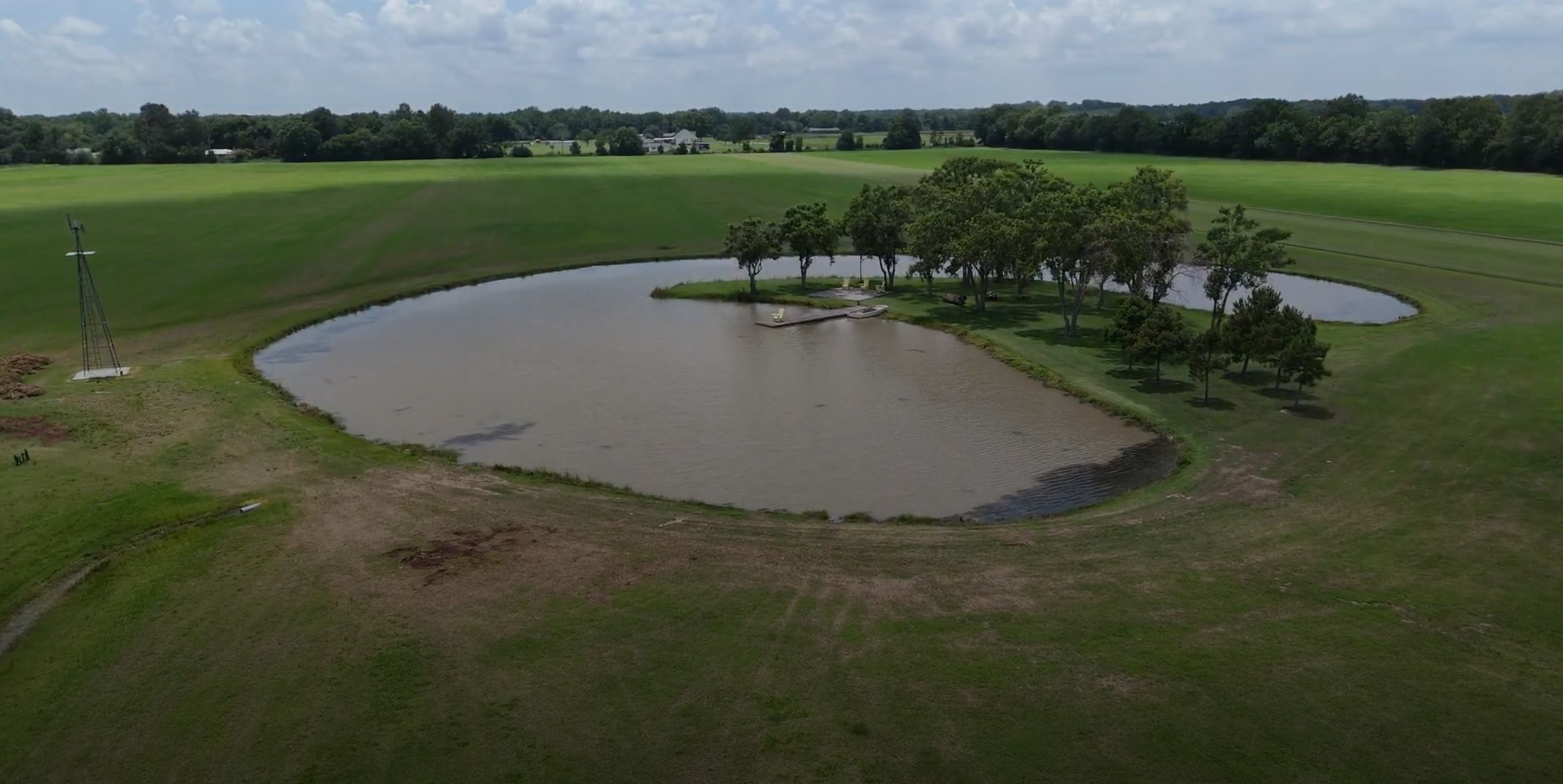
Restored a 1.5-acre U-shaped pond overrun with southern naiad beneath the surface and alligator weed along the shoreline.
The Challenge
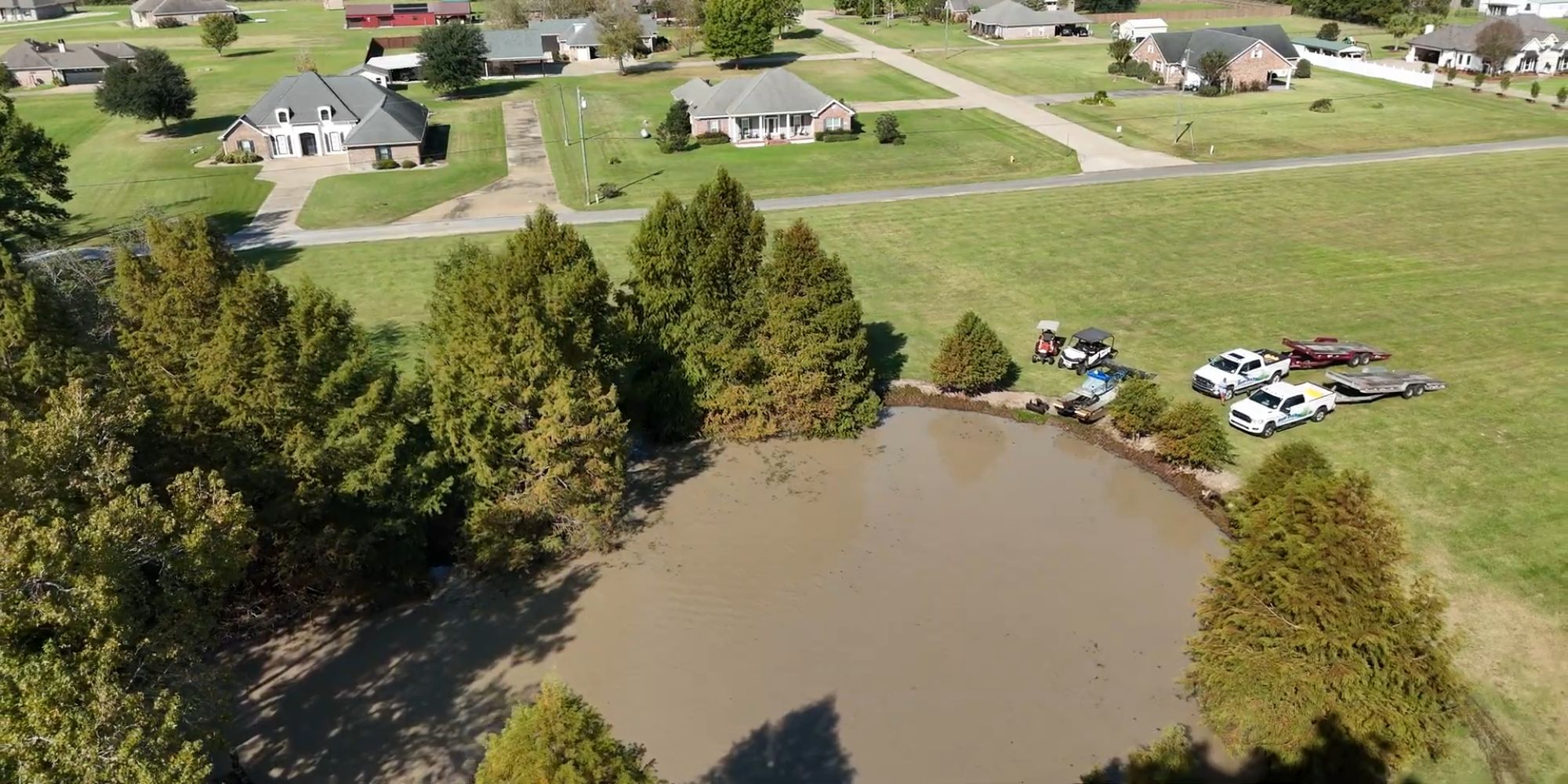
Our team was tasked with restoring a 1.5-acre U-shaped pond in Church Point that was overrun with southern naiad beneath the surface and alligator weed along the shoreline.
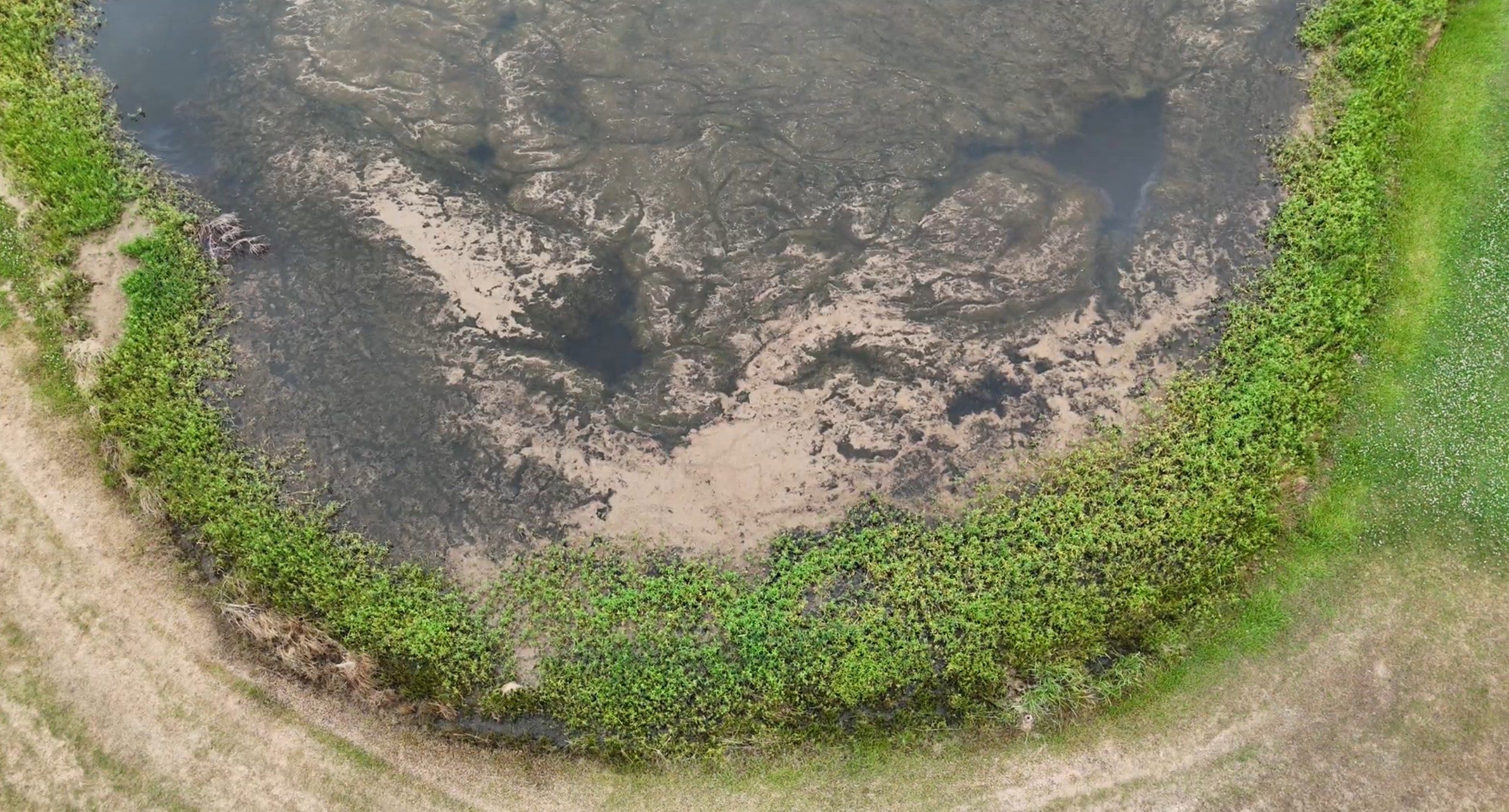
Before we started, the growth around the edges of the pond was unruly and naiad mats were thick. We had our work cut out for us.
Key Issues:
- Thick southern naiad mats beneath surface
- Dense alligator weed along shoreline
- Unruly edge growth
- Poor water quality
- Limited native species habitat
Our Approach
Step-by-step process to achieve the transformation
Inland Harvester Deployment
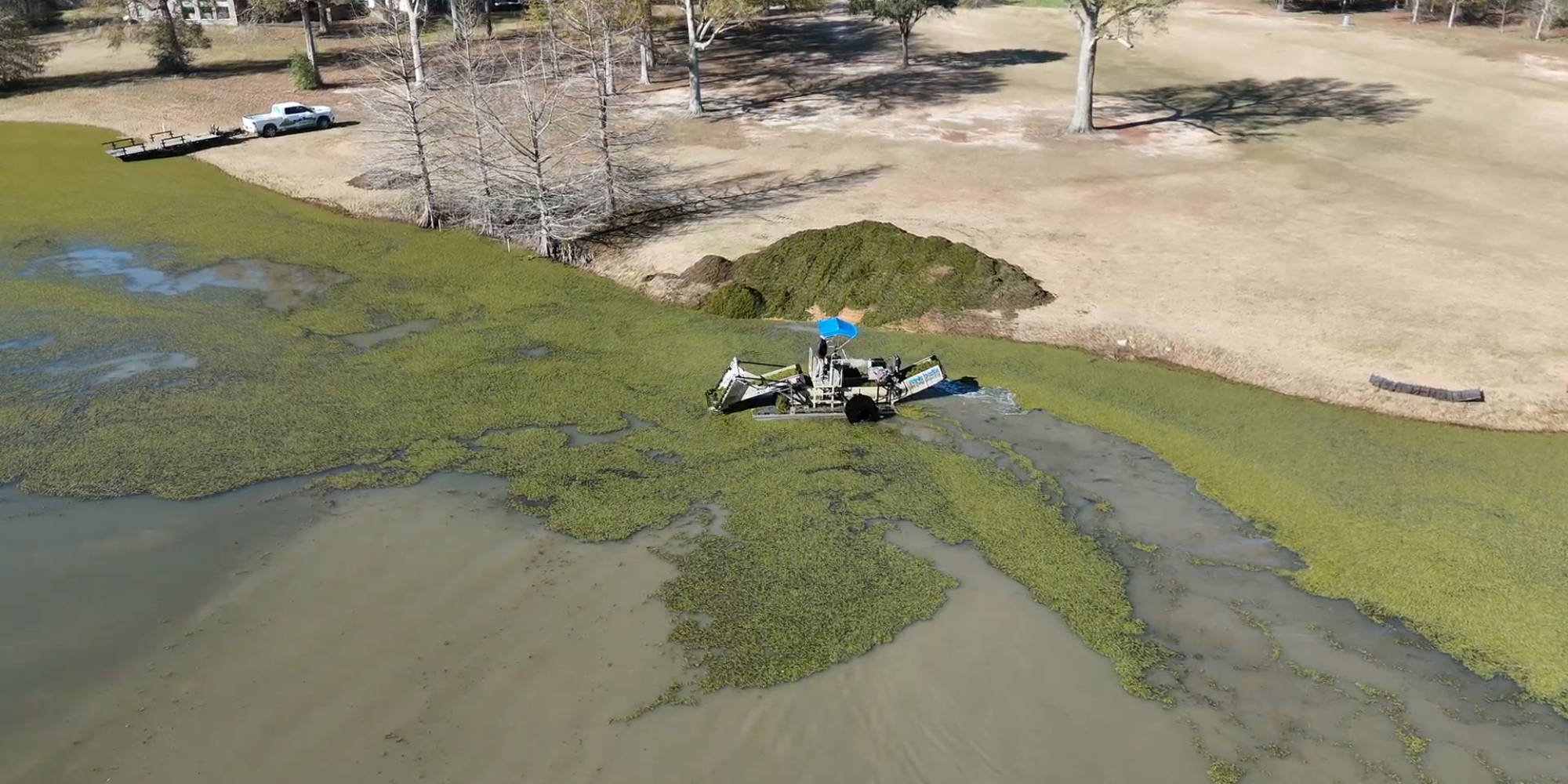
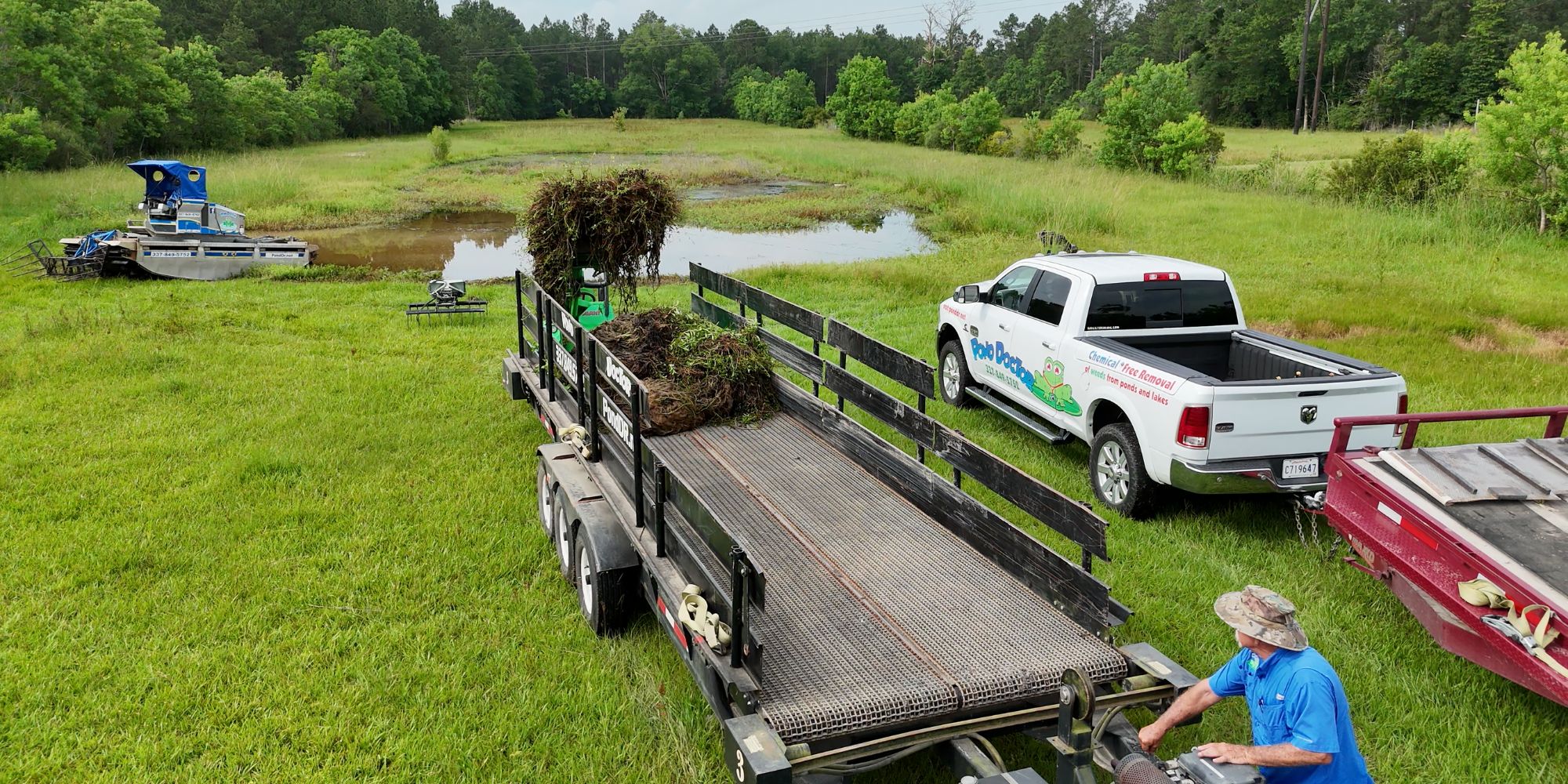
Used specialized machine with paddlewheels to cut and collect aquatic weeds. The harvester sliced through southern naiad, collecting organic material on its conveyor system and offloading vegetation safely onto shore.
Clam Shell Bucket Operation
Utilized clam shell bucket attached to track machine to carefully remove invasive alligator weed from shoreline without damaging the pond's structure.
Surface Skimming
Used cutter basket to skim water's surface, ensuring any remaining fragments of southern naiad were cleared, leaving the pond clean and better balanced for native species.
The Transformation
The result was a clear and clean water feature, restored back to its original beauty, and made ready to be enjoyed all summer long.
This approach restored the pond's health, improved its appearance, and helped prevent future overgrowth of invasive vegetation.
Clear Water
Completely cleared of invasive vegetation
Restored Beauty
Original aesthetic appeal fully returned
Improved Health
Better ecosystem balance for native species
Preventive Measures
Future overgrowth prevention established