New Orleans Pond Restoration
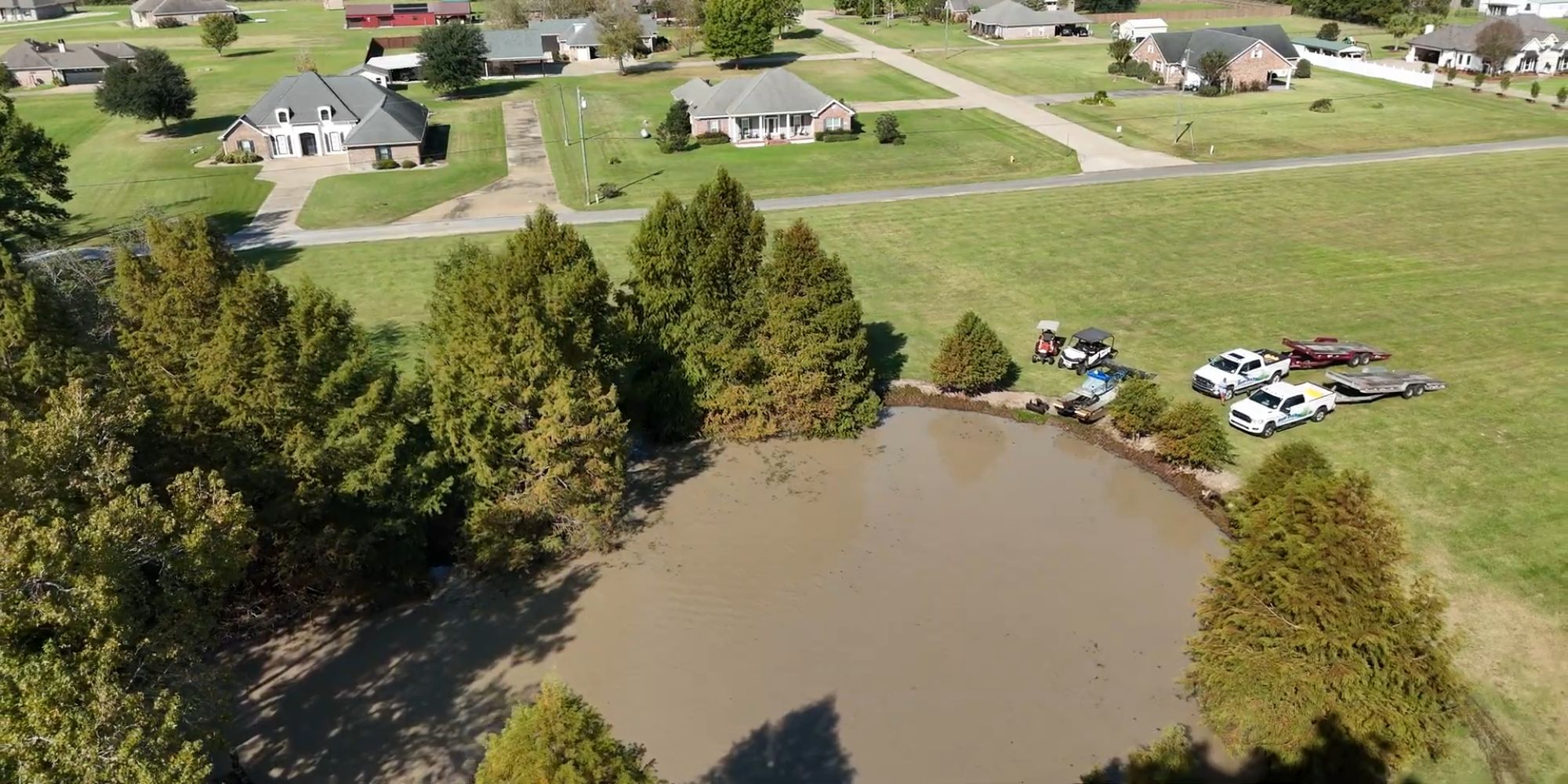
Restored a 0.3-acre pond in New Orleans overrun with alligator weed, duckweed, mosquito fern, and salvinia using dual Truxors and containment measures.
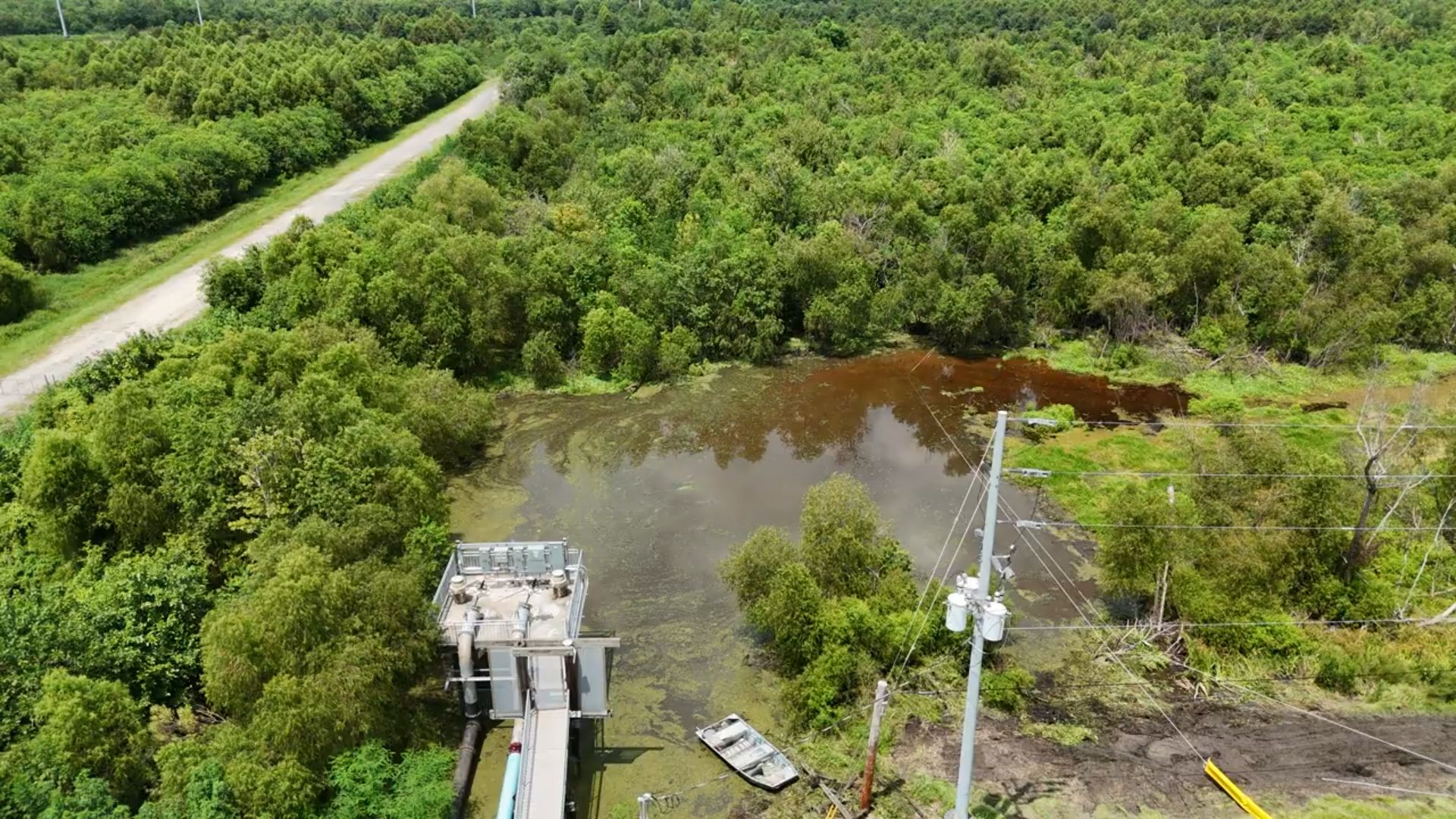
The Challenge
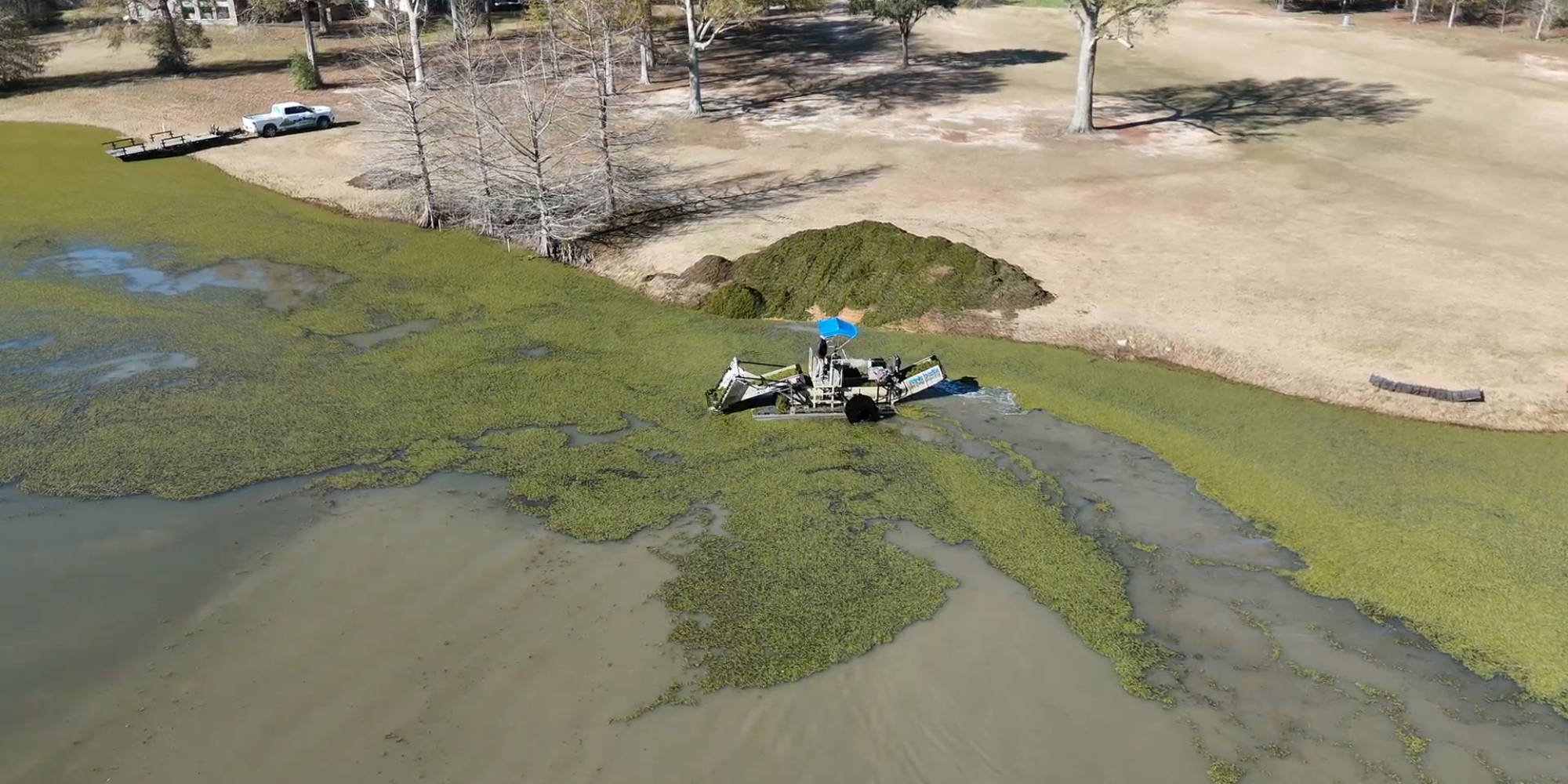
This 0.3-acre pond in New Orleans had developed a heavy mix of invasive vegetation—everything from alligator weed along the margins to dense surface mats of duckweed, mosquito fern (Azolla), and salvinia.
The combined growth choked open water, slowed circulation, and threatened to spiral into constant re-infestation as plant fragments broke off and spread. The owner needed a mechanical, containment-focused solution to clear the pond and keep weeds from drifting back in.
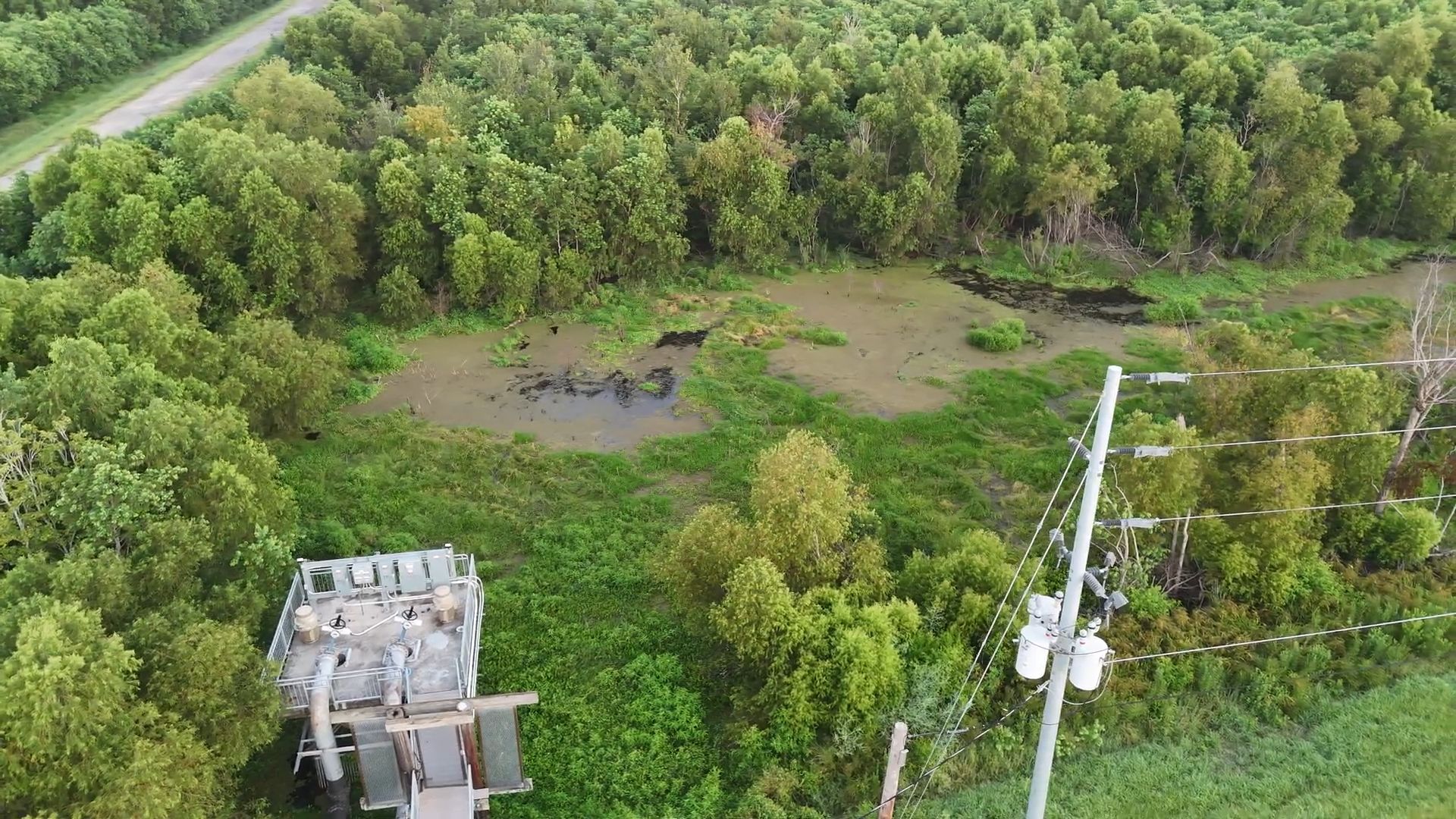
Key Issues:
- Alligator weed encroachment along shorelines
- Surface mats of duckweed, mosquito fern (Azolla), and salvinia
- Restricted circulation and reduced open water
- High risk of regrowth from floating fragments
- Debris accumulation limiting aesthetics and access
Our Approach
Step-by-step process to achieve the transformation
Dual Truxor Deployment (Rake + Bucket)
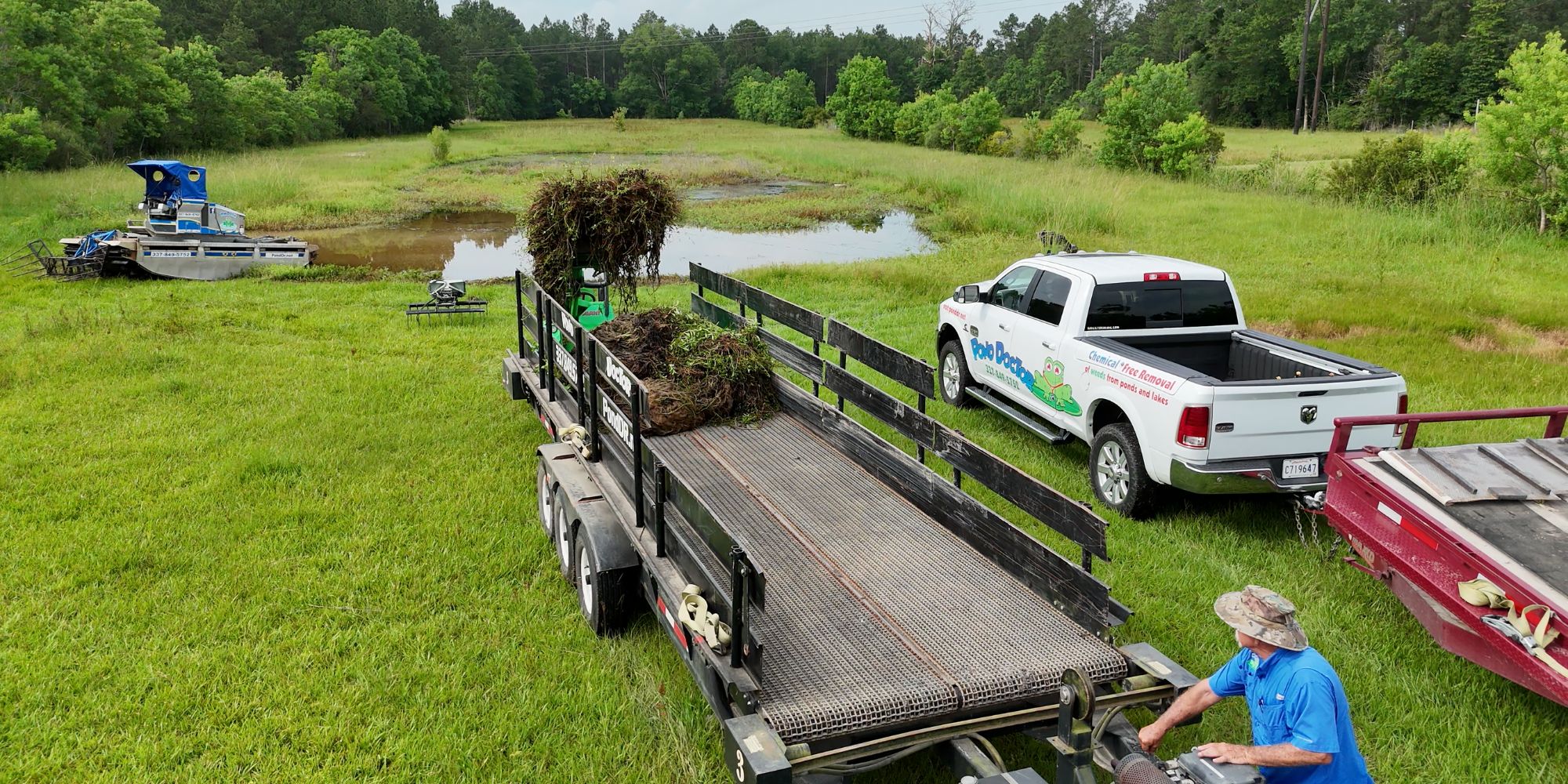
Operated two Truxor amphibious machines—one fitted with a rake/cutter basket to break up and collect surface mats, and a second outfitted with a bucket to extract shoreline alligator weed and rooted masses without bank damage.
Fragment Control and Skimming
Systematically skimmed and removed floating fragments to prevent re-establishment, consolidating vegetation for shore offload and proper disposal.
Perimeter Barrier Installation
Placed a floating barrier to keep remaining weeds from drifting back in, protecting the cleared water and reducing immediate re-infestation pressure.
The Transformation
Open water was restored and circulation improved significantly after the mixed invasive vegetation was removed.
With a barrier in place and fragments captured, the risk of near-term regrowth was reduced, leaving a cleaner, healthier pond that is far easier to maintain.
Open Water Restored
Clear, navigable surface across the 0.3-acre pond
Mixed Invasives Removed
Alligator weed, duckweed, mosquito fern, and salvinia cleared
Reduced Regrowth Risk
Barrier placement and fragment capture limit drift-back
Easier Maintenance
Stabilized conditions simplify ongoing care