St. Martinville Pond Restoration
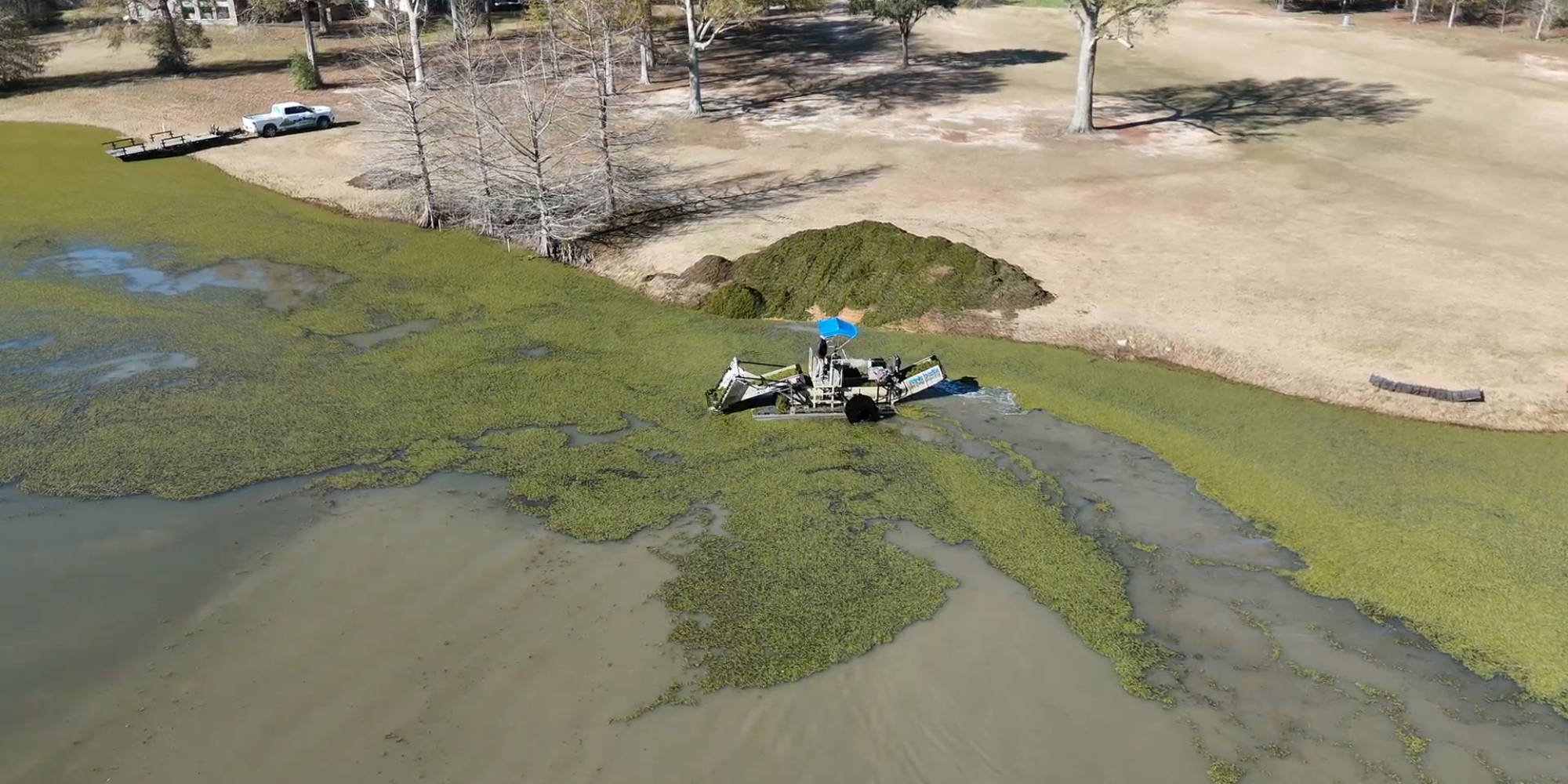
Cleared a 0.5-acre pond of southern naiad and shoreline alligator weed with a Truxor (rake), uprooting and staging vegetation for removal.
The Challenge
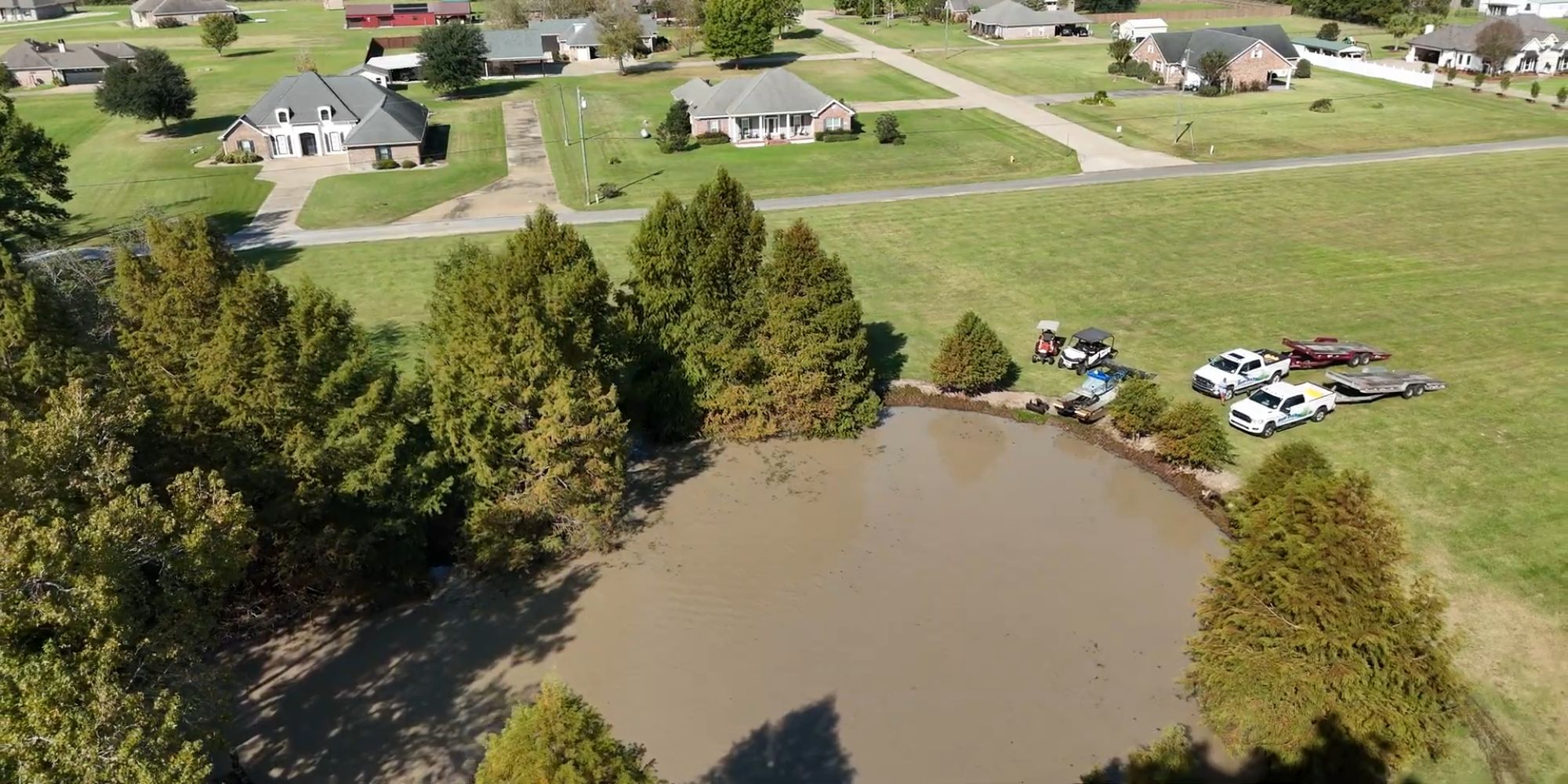
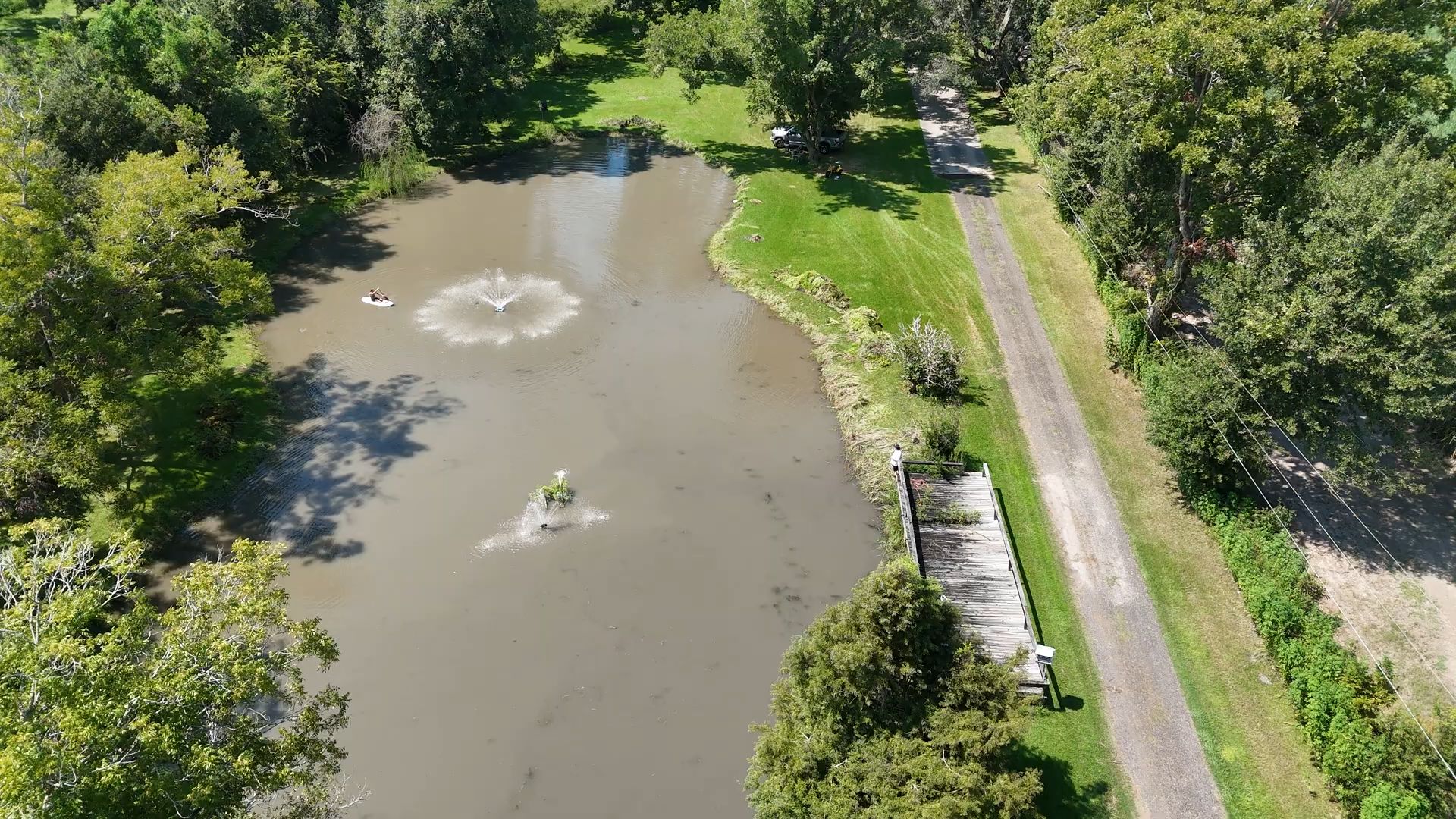
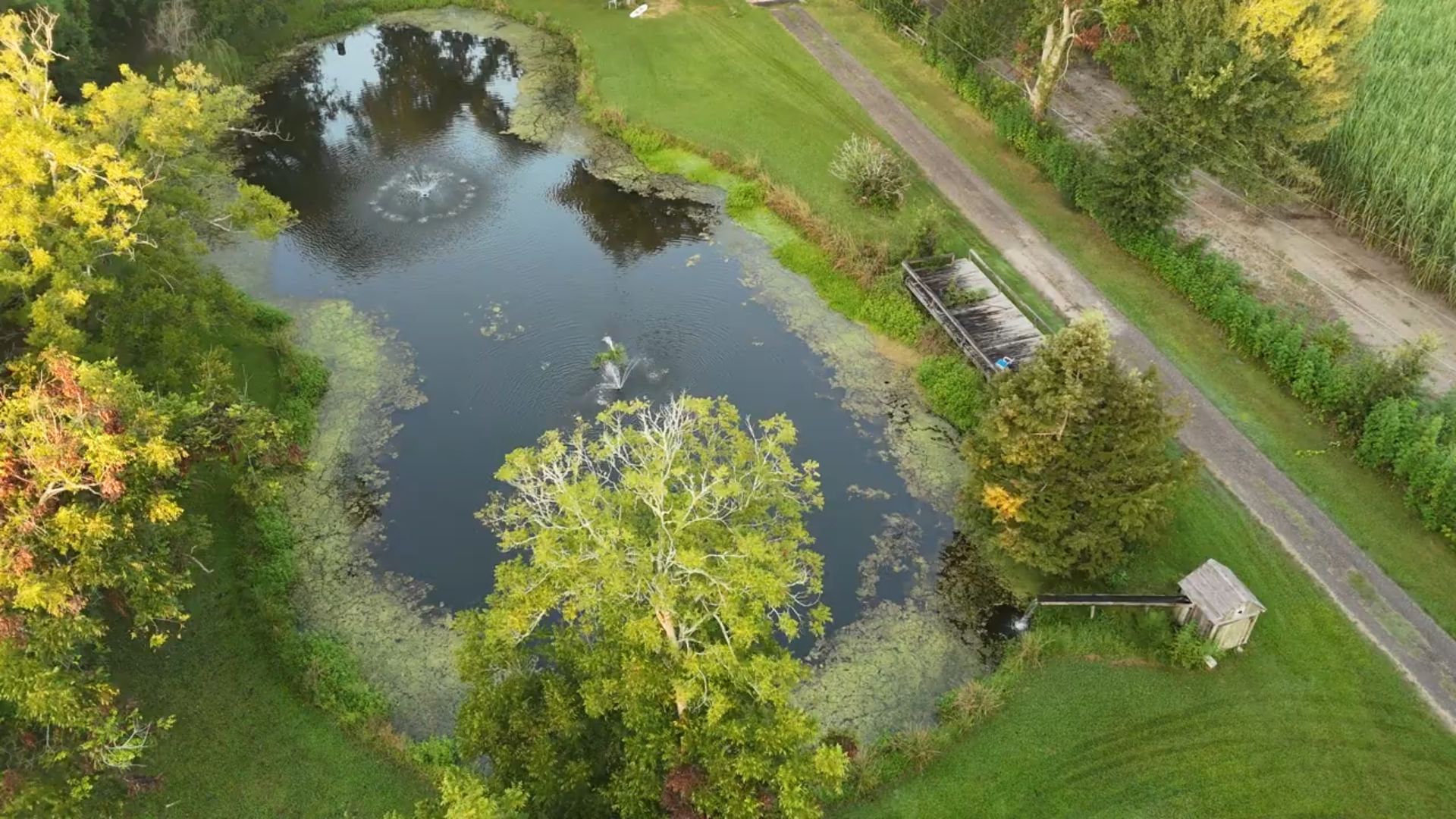
This 0.5-acre pond in St. Martinville had southern naiad in the water column and alligator weed along the bank. Together they reduced open water, impeded circulation, and made routine upkeep challenging.
Without mechanical removal, both species would continue to spread via fragments and rhizomes, increasing organic buildup and maintenance demands.
Key Issues:
- Southern naiad reducing open-water area
- Alligator weed encroaching along shoreline
- Restricted circulation and access
- Organic buildup and regrowth risk
Our Approach
Step-by-step process to achieve the transformation
Truxor Rake Uprooting
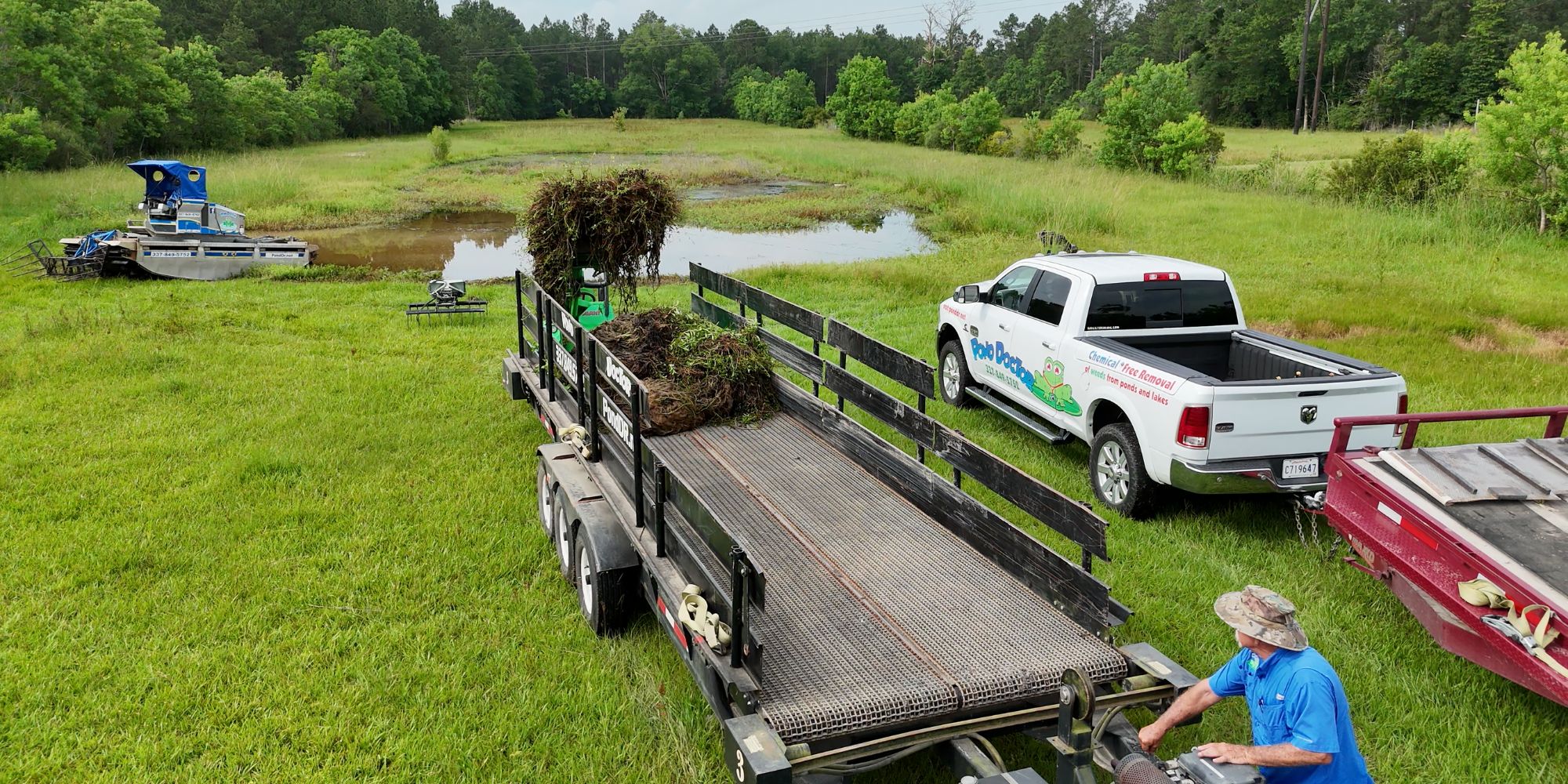
Used Truxor with rake attachment to uproot southern naiad and dislodge alligator weed along the bank.
Shoreline Staging
Placed uprooted vegetation on the bank for collection and removal, reducing regrowth potential.
Surface Cleanup
Conducted finishing passes to capture remaining fragments and clear the water surface.
The Transformation
Open water and flow were restored across the 0.5-acre pond. Uprooting and removing biomass reduced immediate regrowth pressure and made the pond easier to maintain.
The shoreline is cleaner and more defined, with improved access and better circulation. The restored conditions set the pond system up for a healthier, more stable long-term balance.
Open Water Restored
Clear, usable surface area throughout
Cleaner Shoreline
Alligator weed presence significantly reduced
Lower Regrowth Pressure
Biomass staged and removed from site
Easier Maintenance
Reduced debris and simpler ongoing upkeep