Duckweed is one of the smallest flowering plants in the world, but it can create big problems when it covers your pond. Learn how to identify, manage, and prevent duckweed overgrowth.
Understanding Duckweed
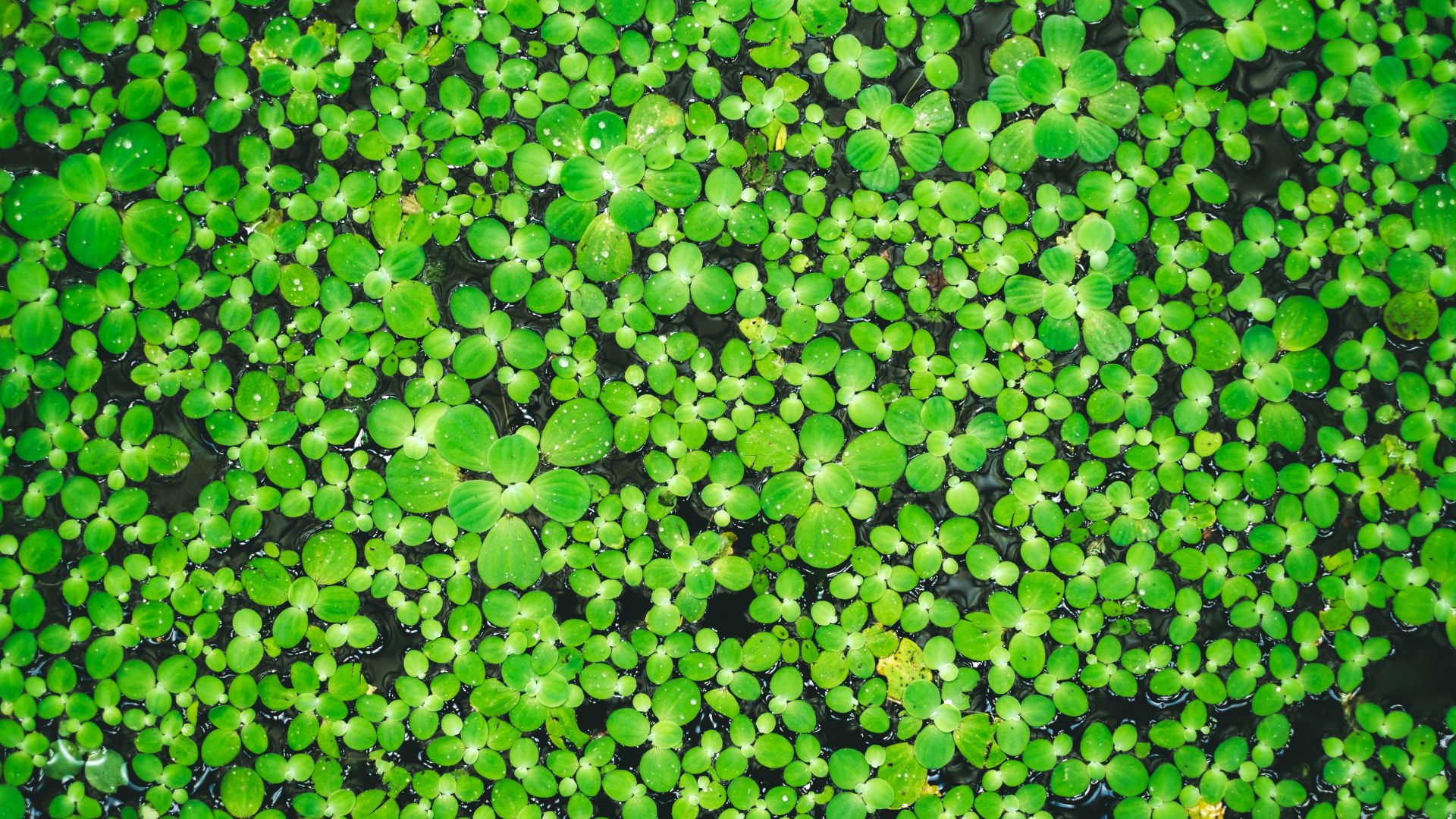
Duckweed refers to several species of tiny floating plants in the Lemnoideae family. These plants are incredibly simple in structure—just a small leaf-like frond with one or more roots hanging beneath. Despite their small size (typically 1-10mm), duckweed can double its population in 24-48 hours under ideal conditions.
While duckweed is native to many regions and serves as food for waterfowl and fish, excessive growth can indicate nutrient imbalances and cause serious pond problems.
Identifying Duckweed
Duckweed is easy to identify once you know what to look for:
- Size: Very small, typically 1-10mm in diameter
- Appearance: Bright green, oval or round leaf-like fronds
- Roots: One or more small roots dangling from the underside
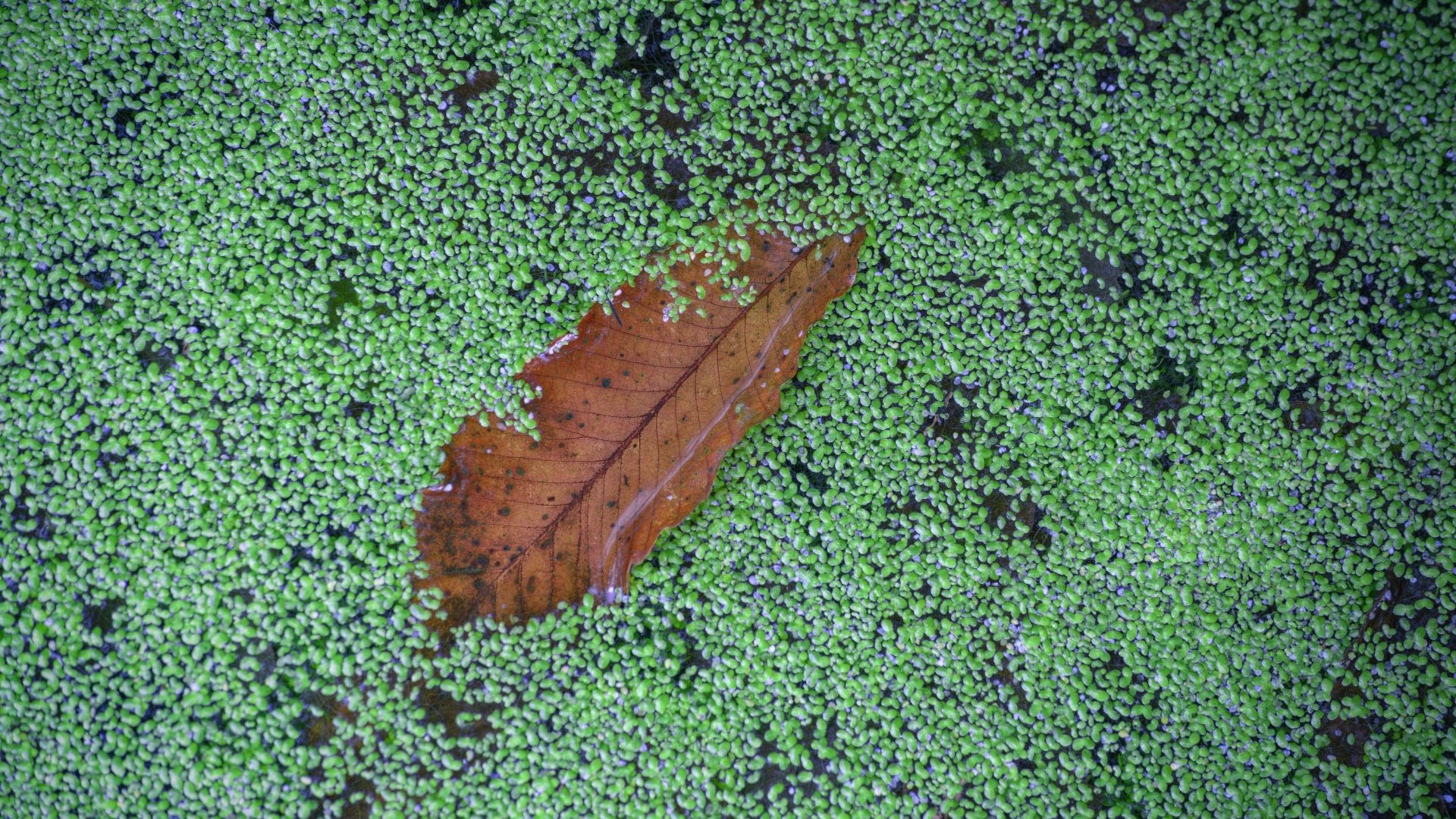
- Growth pattern: Forms a carpet on the water surface
- Reproduction: Multiplies rapidly through budding (asexual reproduction)
The Good and Bad of Duckweed
Duckweed has both benefits and drawbacks for your pond ecosystem.
Benefits:
- Absorbs excess nutrients (nitrogen and phosphorus) from water
- Provides food for fish, turtles, and waterfowl
- Offers shade that can help control algae growth
- Can reduce mosquito breeding by covering water surface
Problems:
- Blocks sunlight when coverage exceeds 50%, harming submerged plants
- Reduces oxygen levels, especially at night
- Can completely cover water surface, making pond unusable
- Difficult to eliminate once well-established
- Reduces aesthetic appeal of ponds
Control and Management
Managing duckweed requires addressing both the symptoms and underlying causes. Several control methods are available, each with distinct advantages and considerations.
Physical Removal
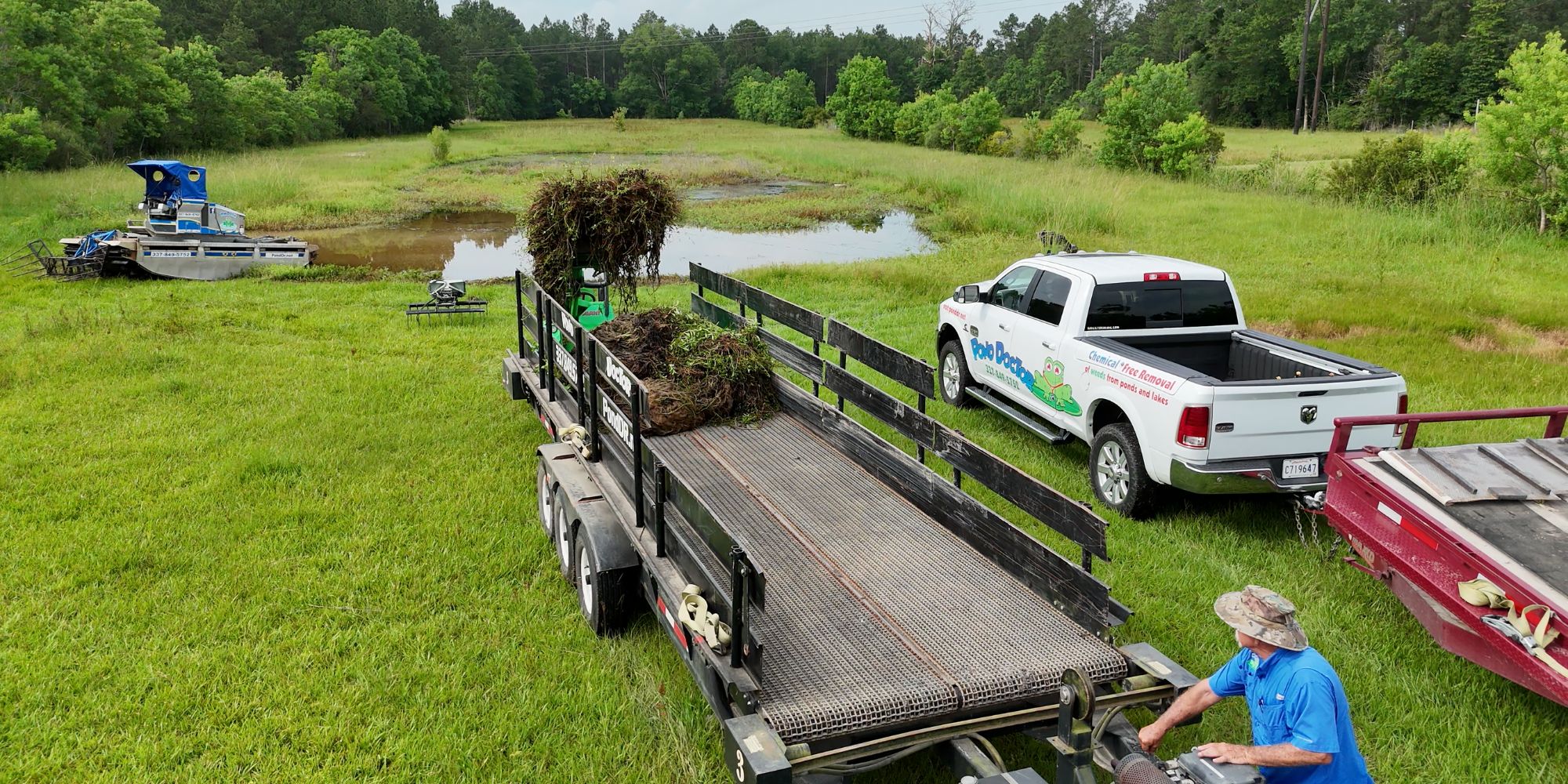
Regular mechanical removal is a safe and effective approach for duckweed control. Fine mesh nets, pond vacuums, and specialized surface collection systems can remove duckweed efficiently on ponds of all sizes. Mechanical removal benefits include:
- Removes duckweed without harming fish or beneficial organisms
- Prevents oxygen depletion issues caused by dying plant material
- Provides immediate improvement in water clarity
- Safe for swimming and fishing immediately after treatment
- Removes nutrients along with the plant material
Note: Pond Doctor specializes in mechanical removal and does not use chemical treatments.
Aeration and Circulation
Installing aeration and circulation systems helps prevent future duckweed establishment by keeping the water surface moving. However, existing duckweed may accumulate in calm areas around the edges. Combining circulation systems with mechanical removal provides effective control.
Biological Control
Grass carp and koi will eat duckweed, though they may not keep up with rapid growth during peak season. Ensure your pond can support these fish before introducing them, and consider this as a supplemental approach rather than a complete solution.
Chemical Treatment
Aquatic herbicides can control duckweed but carry significant risks. Dying duckweed depletes oxygen as it decomposes, potentially causing fish kills. Treatments must be applied carefully, often in sections, and require waiting periods before the water is safe to use. Many pond owners and professionals prefer mechanical methods to avoid these complications.
Prevention is Key
Preventing duckweed problems is much easier than removing heavy infestations:
- Monitor and control nutrient levels in your pond
- Reduce runoff from fertilized areas
- Install proper filtration systems
- Remove duckweed immediately when first noticed
- Maintain water circulation and aeration
- Keep nutrient-absorbing plants around pond edges
When to Call Professionals
If duckweed covers more than 50% of your pond or keeps returning despite your efforts, it's time for professional help. Pond Doctor can assess your water quality, identify nutrient sources, and provide effective one-time removal.
We provide thorough mechanical removal to restore your pond. Contact us for expert assistance.