Water lilies can add beauty to your pond, but they can also become problematic when they spread too aggressively. Learn how to manage water lilies to maintain a healthy, balanced pond ecosystem.
Understanding Water Lilies
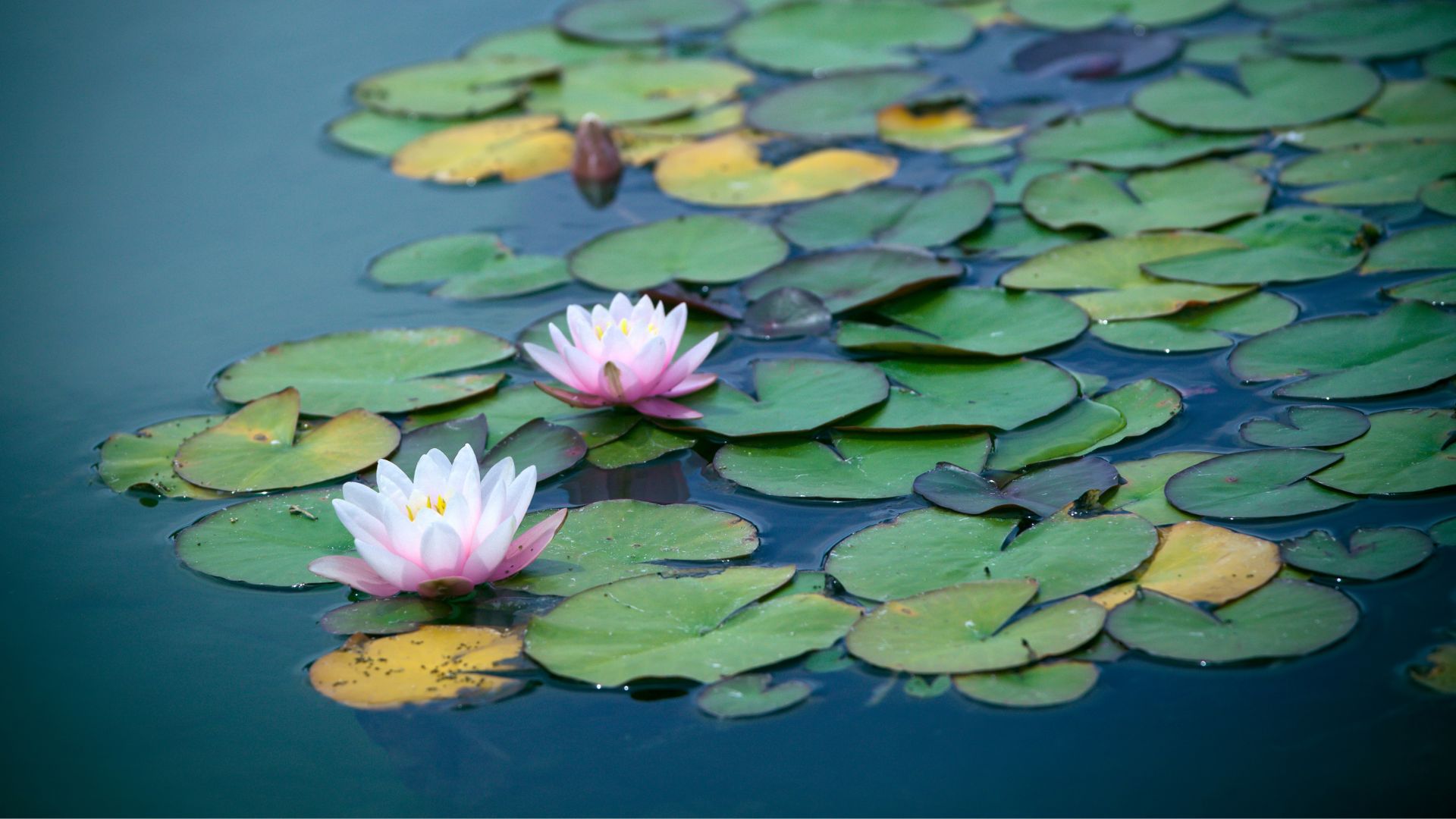
Water lilies (Nymphaea species) are rooted aquatic plants with leaves and flowers that float on the water surface. Unlike free-floating plants like duckweed or water hyacinth, water lilies grow from rhizomes anchored in pond sediment.
There are two main types: hardy water lilies that can survive cold winters, and tropical water lilies that are more colorful but less cold-tolerant. While many species are native and beneficial, they can become overwhelming if not properly managed.
Identifying Water Lilies
Water lilies are easily recognized by their distinctive features:
- Leaves: Large, round or heart-shaped floating pads, 6-12 inches in diameter
- Flowers: Showy blooms ranging from white, yellow, pink, to red, rising above or resting on water
- Stems: Long stems connecting leaves and flowers to underwater rhizomes
- Roots: Thick rhizomes anchored in pond bottom sediment
- Growth depth: Typically grow in water 1-6 feet deep
Benefits of Water Lilies
When properly managed, water lilies provide numerous benefits to pond ecosystems:
- Shade: Lily pads provide shade that helps control algae by limiting light
- Fish habitat: Creates shelter for fish and other aquatic creatures
- Nutrient uptake: Absorbs excess nutrients from water
- Oxygen production: Produces oxygen during photosynthesis
- Aesthetic value: Adds natural beauty and color to ponds
- Temperature regulation: Shade helps keep water temperatures moderate
- Wildlife support: Provides landing pads for frogs and dragonflies
When Water Lilies Become Problems
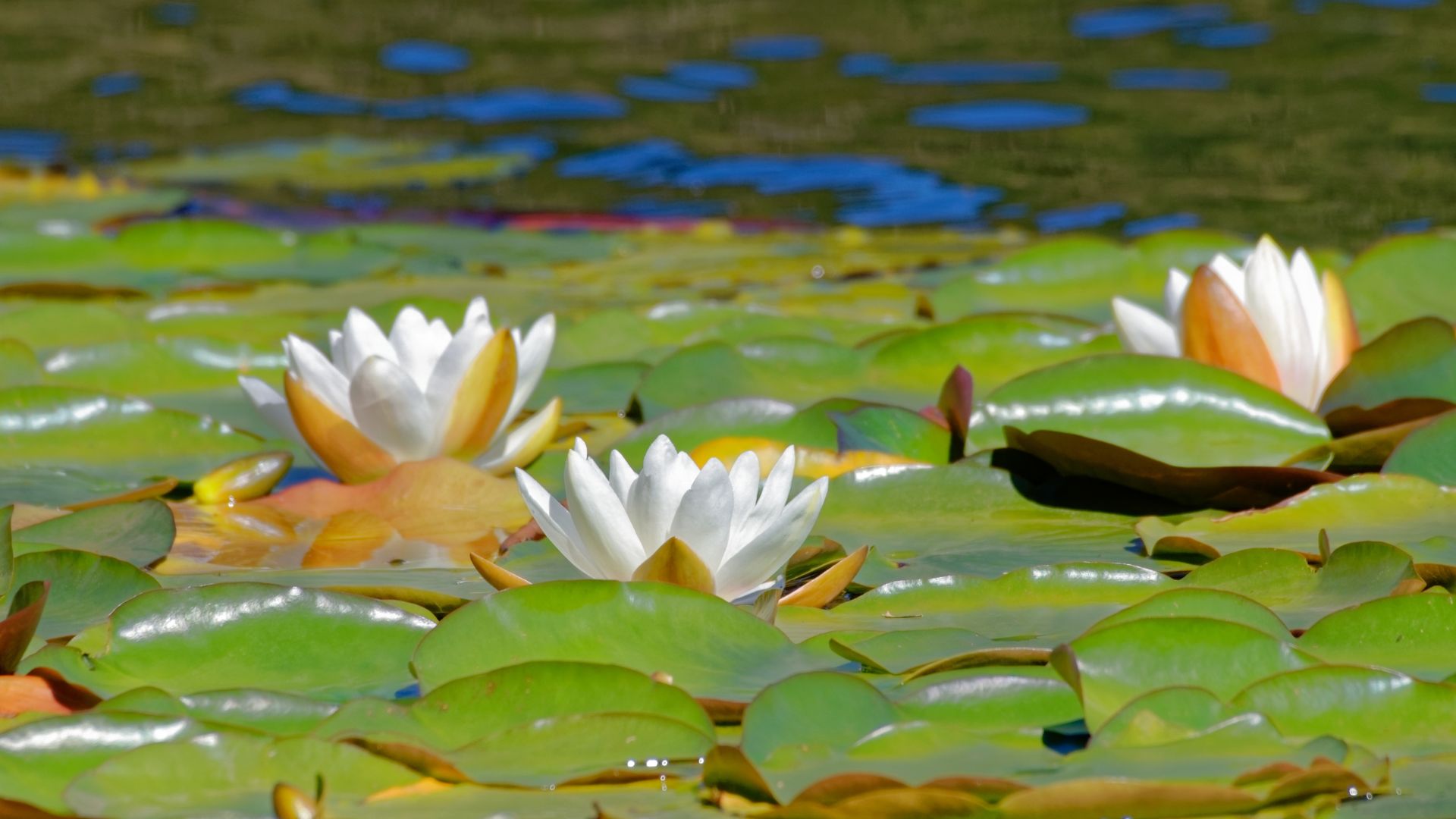
While beneficial in moderation, water lilies can cause issues when they spread too aggressively:
- Excessive coverage (over 60% of surface) blocks sunlight to submerged plants
- Can interfere with swimming, boating, and fishing activities
- Accumulated dead plant matter increases sediment and nutrient levels
- Dense growth can reduce water circulation
- Some non-native varieties can become invasive
- May harbor mosquitoes in dense stands
Management and Control
The key to water lily management is maintaining the right balance—enough for benefits, not too much to cause problems.
Ideal Coverage
Generally, water lilies should cover no more than 40-60% of your pond surface. This provides adequate shade and habitat benefits while allowing sufficient light penetration and open water.
Manual Control
For small areas, you can manually remove excess lilies by cutting stems below the water surface and pulling up rhizomes. This is best done in spring or early summer. Removing the entire rhizome is crucial to prevent regrowth.
Mechanical Removal
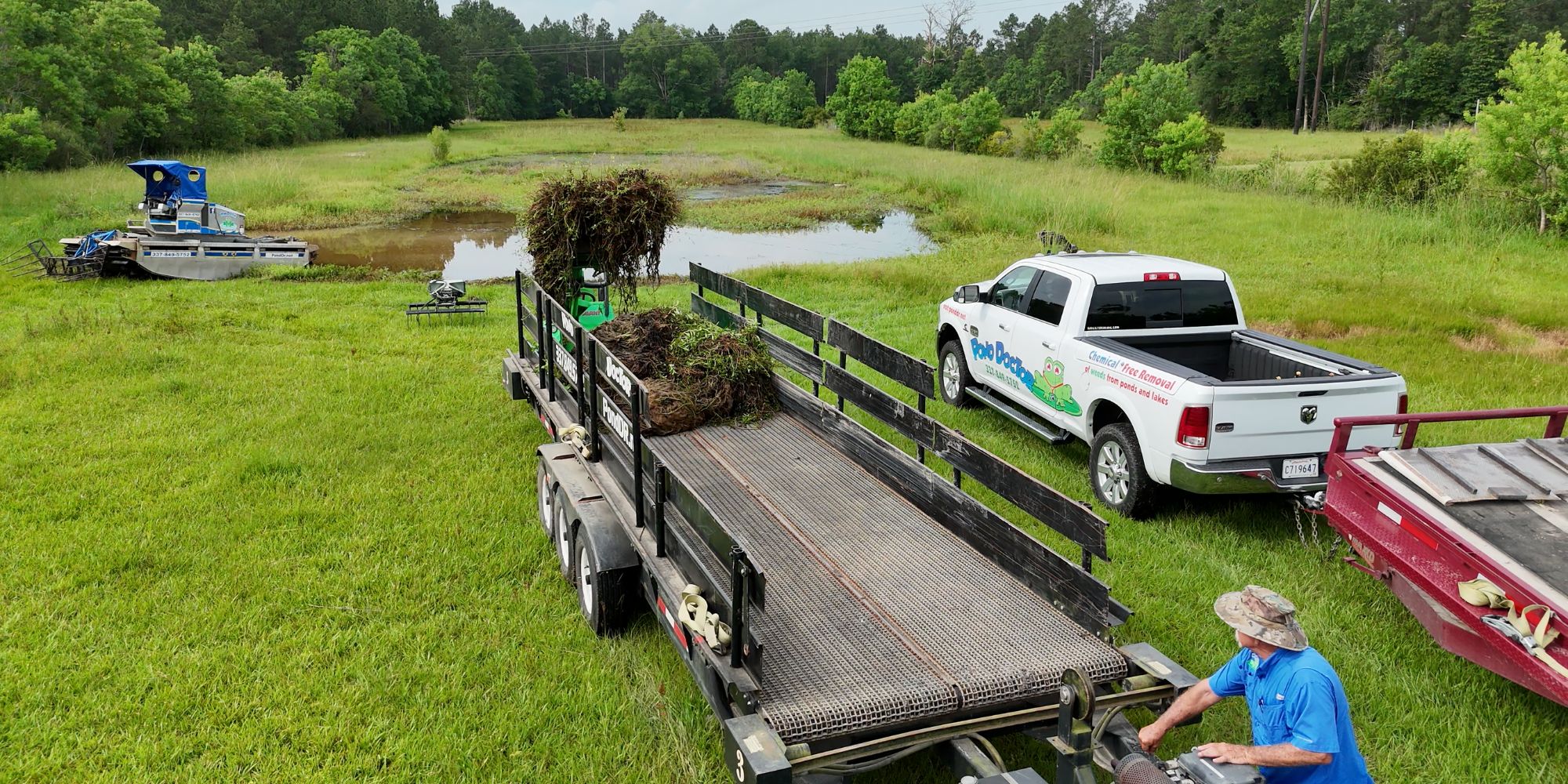
Larger infestations may require mechanical cutting equipment or aquatic excavators to remove rhizomes. Professional equipment can efficiently remove water lilies without excessive disturbance to pond sediment. Mechanical removal allows selective control—removing overgrown areas while leaving desired plants intact.
Note: Pond Doctor uses mechanical methods for water lily management, providing precise control without chemicals.
Chemical Treatment
Aquatic herbicides are sometimes used as a control method, though they come with significant drawbacks. Systemic herbicides that kill the rhizome are more effective than contact herbicides, but they affect all aquatic plants indiscriminately. This lack of selectivity, combined with potential harm to beneficial organisms and required waiting periods, makes mechanical removal preferable for most situations.
Maintenance Best Practices
Regular maintenance prevents water lilies from becoming overwhelming:
- Monitor coverage monthly during growing season
- Remove excess plants before they spread too far
- Thin lilies every 3-4 years to maintain vigor
- Remove dead leaves and flowers to reduce organic buildup
- Consider using barriers to contain growth to specific areas
- Choose appropriate varieties for your pond size
Choosing the Right Water Lilies
If you want to add water lilies to your pond, choose varieties appropriate for your climate and pond size. Native species are generally easier to manage than exotic varieties. Consult with local pond professionals to select the best options.
Professional Assistance
If your water lilies have become too dense or are difficult to control, professional help ensures effective removal without damaging your pond ecosystem.
Pond Doctor specializes in aquatic plant removal, including water lily control. We can help you restore balance to your pond. Contact us for expert assessment and service.